While much of the public conversation about ketamine therapy has focused on ketamine’s rapid antidepressant effects, a growing body of research is now illuminating another compelling dimension: ketamine’s potential to benefit cognitive function.
At Empathy Grove Ketamine Therapy and Wellness Center in Portland, Oregon, we believe that understanding the science behind healing is a vital part of the journey. In this article, we’ll explore how ketamine interacts with the brain, what the latest research reveals about its cognitive benefits, and what this means for individuals navigating treatment-resistant depression, PTSD, and other conditions that compromise mental clarity.
The Cognitive Toll of Mental Health Conditions
Before diving into how ketamine may help cognitive function, it’s essential to understand why cognitive impairment is such a critical concern for people living with mental health challenges.
Depression, anxiety, PTSD, and chronic pain don’t just affect mood; they fundamentally alter how the brain processes information. Individuals with treatment-resistant depression frequently report difficulties with memory recall, sustained attention, verbal fluency, executive functioning, and processing speed. These cognitive deficits aren’t simply a side effect of feeling sad; they reflect measurable changes in brain structure and neurochemistry.
The prefrontal cortex, a region responsible for higher-order thinking, planning, and decision-making, often shows reduced activity and even volume loss in people with chronic depression. The hippocampus, a structure vital to learning and memory, is similarly affected. Over time, the persistent stress hormones associated with these conditions, particularly cortisol, can lead to a process known as synaptic atrophy, where the connections between neurons weaken and deteriorate.
This is where ketamine enters the picture, not merely as a mood stabilizer but as a potential catalyst for cognitive restoration.
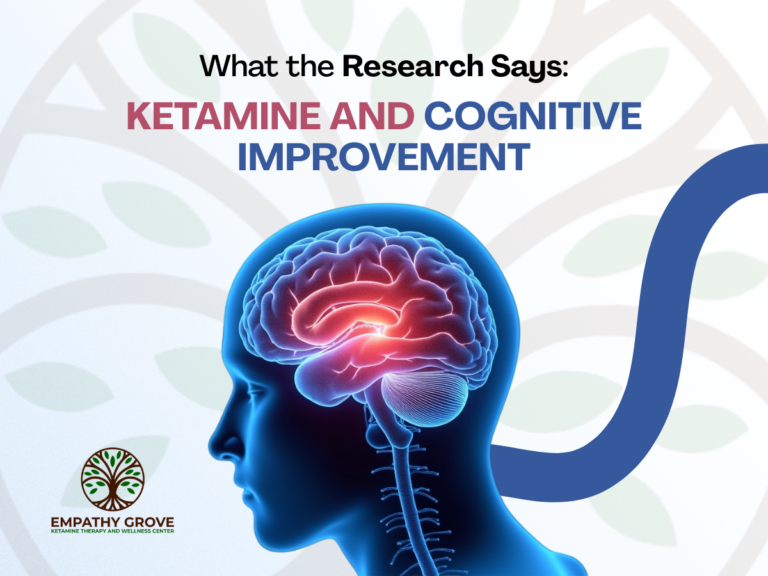
What the Research Says: Ketamine and Cognitive Improvement
The scientific literature on ketamine’s cognitive effects has expanded significantly in recent years, painting a nuanced and increasingly optimistic picture.
Memory and Attention Improvements
A 2024 study published in Psychiatry Research examined changes in neurocognitive functioning in patients with treatment-resistant depression who received three intravenous ketamine infusions. The findings were notable: patients showed significant improvement in memory, both immediate and delayed recall, as well as in language and attention. These results are particularly meaningful because cognitive deficits in depression often persist even after mood symptoms improve with traditional treatments. The fact that ketamine addressed both mood and cognition simultaneously suggests a more holistic mechanism of healing.
Cognitive Benefits in Psychiatric Populations
A 2025 review highlighted by Psychology Today synthesized evidence suggests that ketamine used for depression in psychiatric patients carries measurable cognitive benefits for that population. The review concluded that ketamine holds genuine promise not only for alleviating depressive symptoms but also for improving the cognitive impairments that accompany them. This is a significant finding because many existing antidepressant medications, particularly benzodiazepines and some SSRIs, can actually worsen cognitive function as a side effect, creating a frustrating tradeoff for patients.
Neuroprotective Properties
Beyond direct cognitive enhancement, ketamine has also demonstrated neuroprotective properties. A 2025 review published in PMC explored ketamine’s role in neurocritical care, noting its anti-inflammatory effects, anticonvulsant properties, and ability to block excitotoxicity, a process in which overstimulated neurons become damaged or die. By reducing neuroinflammation, ketamine may help preserve existing cognitive function while simultaneously fostering the growth of new neural connections.
The Rehabilitation Synergy
One of the most exciting emerging frontiers is the idea of combining ketamine therapy with cognitive rehabilitation. Researchers are exploring how the neuroplasticity window opened by ketamine treatment could be paired with targeted cognitive exercises and therapy to not merely relieve symptoms but to actively restore lost cognitive abilities. This synergy leverages ketamine’s ability to make the brain more “plastic” and receptive to learning, creating an optimal environment for retraining and strengthening neural pathways.
Understanding the Neuroplasticity Connection
The concept of neuroplasticity, the brain’s ability to reorganize itself by forming new neural connections, is at the heart of ketamine’s cognitive benefits. In a healthy brain, neuroplasticity occurs naturally throughout life, allowing us to learn new skills, form memories, and adapt to new experiences. However, chronic stress, depression, trauma, and aging can all impair neuroplasticity, making the brain more rigid and less capable of adaptive change.
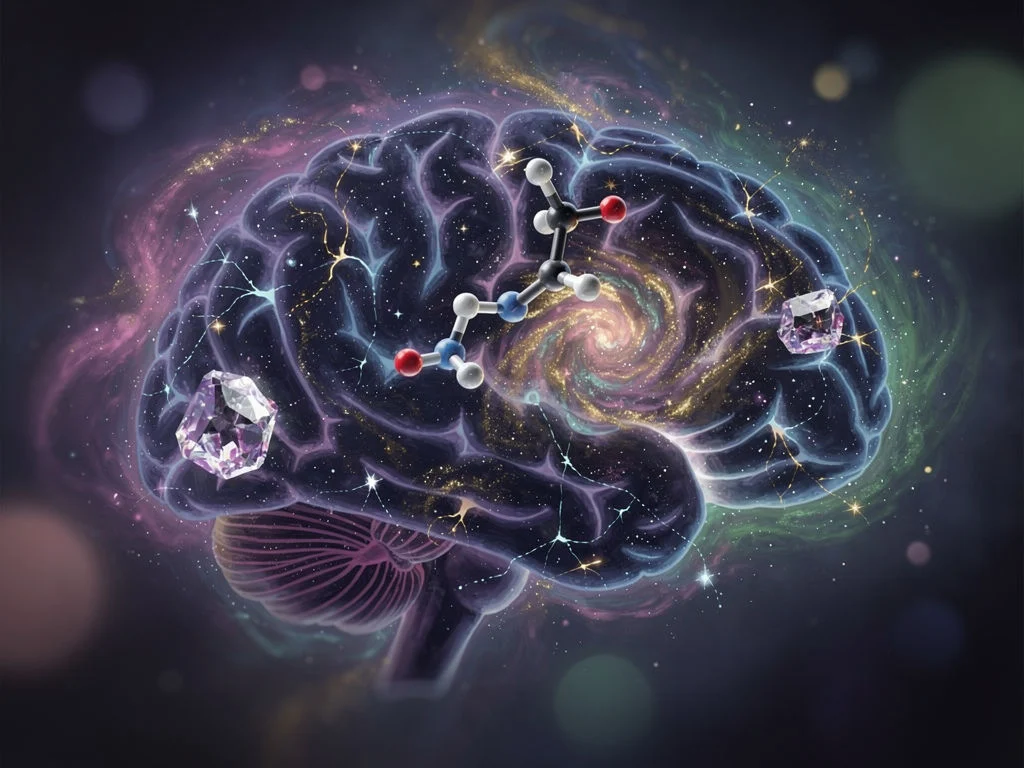
Ketamine appears to act as a powerful neuroplasticity enhancer. The surge in BDNF and the activation of the mTOR pathway essentially reopens a window of heightened brain adaptability. During this window, the brain is more capable of forming new connections, strengthening weak ones, and pruning dysfunctional pathways. This is why many patients report not just improved mood after ketamine treatment, but a renewed sense of mental clarity, sharper thinking, and improved ability to engage in therapy and daily problem-solving.
Think of it this way: if depression is like a garden that has been neglected, with overgrown weeds, dried-out soil, and withered plants, ketamine acts as both the rain and the fertilizer that gives the garden a chance to flourish again. But the garden still needs tending; this is why combining ketamine with psychotherapy, cognitive rehabilitation, and healthy lifestyle practices is considered the most effective approach.
Important Nuances and Considerations
While the research is promising, it’s important to approach the topic of ketamine therapy and cognition with appropriate nuance.
First, dosage and context matter enormously. The sub-anesthetic doses used in clinical treatment for depression are far lower than those used recreationally or in surgical anesthesia. At clinical doses, ketamine’s cognitive benefits appear most pronounced. At higher doses or with chronic misuse, ketamine can have the opposite effect, potentially impairing memory and cognitive function. This underscores the importance of receiving ketamine treatment only under qualified medical supervision.
Second, not every study has shown cognitive improvement. A 2025 scoping review in the British Journal of Anaesthesia examining ketamine’s effects on postoperative cognition found that 60% of the studies reviewed showed no cognitive benefit, while 40% reported reduced incidence or duration of cognitive complications. It’s worth noting that postoperative cognition is a very different clinical context from depression treatment, and the patient populations, dosing protocols, and outcome measures differ substantially. Nonetheless, this research reminds us that ketamine is not a universal cognitive enhancer — its benefits appear to be most significant in populations where cognitive function has been compromised by psychiatric illness.
Third, individual responses vary. Genetics, the severity and duration of the underlying condition, concurrent medications, and overall health can all influence how a person responds to ketamine treatment, both in terms of mood and cognition.
What This Means for Your Healing Journey
For those struggling with the cognitive fog that often accompanies depression, anxiety, PTSD, or chronic pain, the emerging research on ketamine therapy offers a meaningful source of hope. The possibility that a treatment can simultaneously address emotional suffering and restore mental sharpness represents a paradigm shift in how we approach mental health care.

At Empathy Grove in Portland, Oregon, we view cognitive wellness as inseparable from emotional wellness. When you can think more clearly, remember more readily, and focus more deeply, you are better equipped to engage in therapy, build meaningful relationships, and pursue the life you deserve. Ketamine’s ability to promote neuroplasticity and support cognitive recovery makes it a uniquely powerful option for those who have not found relief through traditional treatments.
If you or someone you love is experiencing the dual burden of mood and cognitive symptoms, we encourage you to explore whether ketamine-assisted treatment might be a fit. As always, treatment decisions should be made in partnership with a qualified healthcare provider who can evaluate your individual needs, medical history, and treatment goals.
Key Takeaways
The relationship between ketamine and cognitive function reflects one of the most exciting developments in modern mental health science. Ketamine’s ability to promote synaptogenesis, increase BDNF, reduce neuroinflammation, and enhance neuroplasticity positions it as far more than a rapid-acting antidepressant; it may be a tool for genuine cognitive restoration. While more research is needed and individual results will vary, the trajectory of the evidence is clear: for many people living with treatment-resistant conditions, ketamine offers not just emotional relief but also a clearer, sharper mind.
Healing is not just about feeling better. It’s about thinking better, connecting better, and living better. And that is a future worth pursuing.
Frequently Asked Questions
1. How quickly can ketamine therapy improve cognitive function?
Many patients notice improvements in mental clarity and focus within 24 to 72 hours after their first infusion. This rapid timeline is linked to ketamine’s ability to trigger a surge in BDNF and promote new synaptic connections in the prefrontal cortex almost immediately, a sharp contrast to traditional antidepressants, which can take weeks to produce any noticeable cognitive changes.
2. Is ketamine a “smart drug” or cognitive enhancer for healthy people?
No. Current research suggests ketamine’s cognitive benefits are most significant in individuals whose brain function has been impaired by conditions like depression, PTSD, or chronic stress. In healthy individuals without cognitive deficits, ketamine has not been shown to boost cognition above baseline and could carry unnecessary risks. Its value lies in restoration, not enhancement beyond normal function.
3. Can ketamine therapy reverse the brain fog caused by depression?
The evidence is encouraging. Studies show that clinical ketamine infusions can improve memory, attention, and verbal fluency in patients with treatment-resistant depression, the very functions that “brain fog” disrupts. By promoting neuroplasticity and repairing weakened synaptic connections, ketamine addresses the underlying neural damage rather than simply masking symptoms.
4. Are there risks to cognitive function from ketamine therapy treatment?
At the low, sub-anesthetic doses used in clinical settings, ketamine is generally well-tolerated with minimal cognitive side effects. However, higher doses or unsupervised recreational use can impair memory and cognitive function over time. This is why it is critical to receive ketamine treatment only through a qualified medical provider who follows established dosing protocols and monitors your response.
5. Does combining ketamine with psychotherapy improve cognitive outcomes?
Yes, and this is one of the most promising areas of current research. Ketamine opens a window of enhanced neuroplasticity, during which the brain is more receptive to learning and forming new pathways. Pairing ketamine sessions with psychotherapy or cognitive rehabilitation exercises during this window may amplify both emotional and cognitive recovery, helping patients not only feel better but think more clearly and function more effectively in daily life.
Disclaimer: The content above is for educational purposes only and not a substitute for professional medical advice. Consult a qualified healthcare provider to determine if ketamine therapy is appropriate for you.