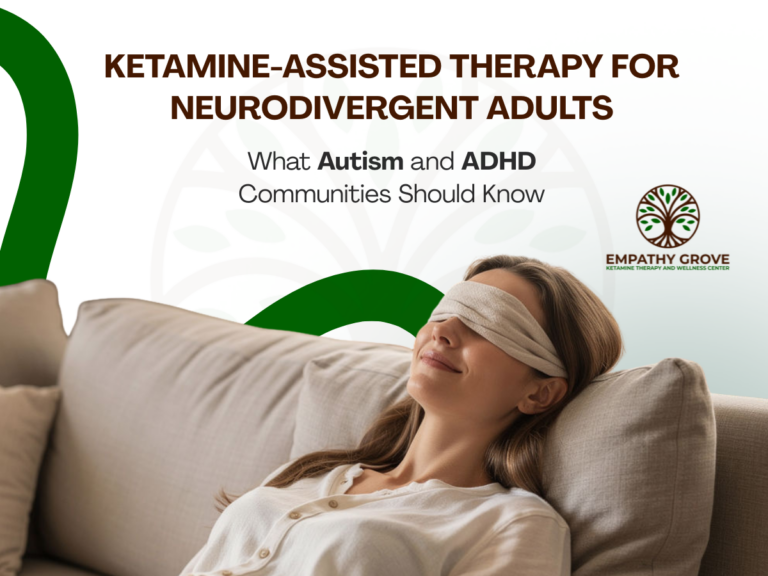
Many autistic and ADHD adults mask, explain, shrink, push through sensory overload, and try treatments that were never designed with their nervous systems in mind. So when people search for ketamine and neurodivergence, the real question is often deeper: Could this help the depression, anxiety, trauma, burnout, or emotional shutdown that came from years of being misunderstood?
This article is not about “fixing” autism or ADHD. It’s about understanding where ketamine-assisted therapy may fit for co-occurring mental health struggles. For people exploring ketamine therapy in Portland, the right clinic should understand pacing, sensory needs, and integration.
Ketamine and Autism: What the Research Can and Cannot Say Yet
Research on ketamine and autism is still limited. Some studies and reports have explored ketamine’s effects on autism-related symptoms, depression, suicidality, and social withdrawal, but findings remain early and mixed.
So the careful phrasing matters when it comes to ketamine for autism: ketamine is not a straightforward, standard treatment for autism. A better question is whether ketamine-assisted therapy may help some autistic adults with co-occurring depression, anxiety, trauma, or emotional distress.
Ketamine and ADHD: Why the Question Is More Complicated Than It Looks
The conversation around ketamine and ADHD is also complicated. Ketamine is not an established ADHD medication, and it should not be positioned as a direct treatment for attention, impulsivity, or executive function.
Still, many adults with ADHD experience depression, anxiety, rejection sensitivity, emotional dysregulation, and burnout. Someone searching for ketamine for ADHD may really be looking for support with the mood symptoms that accompany ADHD. That distinction matters. The target of treatment should be suffering and impairment, not neurodivergent identity itself.
The Overlap That Matters: Depression, Anxiety, Trauma, and Burnout
Neurodivergent adults often seek new options after years of social strain, sensory overload, masking, and misunderstood symptoms. Autism and ADHD are not problems to erase. The suffering often comes from the constant friction between a person’s nervous system and environments that demand sameness.
Research on psychedelic-assisted therapies and autism emphasizes that autism frequently co-occurs with anxiety, depression, obsessive-compulsive symptoms, and trauma, i.e., conditions that have been studied in psychedelic medicine more broadly.
That is the overlap worth discussing. Treatment should aim at distress, shutdown, shame, or stuckness, rather than at erasing neurodivergent ways of thinking or processing.
Why Neurodivergent Nervous Systems May Experience Ketamine Differently
A ketamine session is not the same experience for every brain. Neurodivergent people may process sound, light, touch, time, and body sensations differently. A song that feels calming to one person may feel intrusive to another. A check-in meant to reassure may interrupt someone’s processing. Additionally, neurodivergent individuals may need adaptations because sensory processing and communication styles can differ during psychedelic experiences.
This is where care quality matters. A helpful provider does not assume one protocol fits everyone. They ask, adjust, and stay curious.
Preparation Matters More Than People Think
Good preparation gives the nervous system fewer surprises. For neurodivergent clients, that can mean:
- Clear session expectations
- Consent around touch, sound, lighting, and verbal check-ins
- Predictable timing
- A quiet aftercare plan
- Plain-language communication
Empathy Grove’s ketamine-assisted therapy model includes preparation, intention setting, guided support during the journey, and integration afterward. That structure can be especially helpful for clients who need clarity before they can relax into treatment.
Preparation also helps the provider learn what being overwhelmed looks like for you, since distress does not always look obvious from the outside.
Integration Should Fit the Person, Not the Other Way Around
Integration is where the experience becomes usable. For autistic and ADHD clients, integration needs may look different.
Some people process best through written notes. Others need voice memos, body-based grounding, visual maps, movement, or shorter conversations spread over time. Some need extra space before they can describe what happened.
Integration refers to making meaning from psychedelic experiences and notes that neurodivergent individuals may need adaptations for different communication and processing styles.
No one should be pressured to extract a tidy lesson from every session. Sometimes the work is simply noticing what changed and giving it time.
Choosing a Ketamine Clinic Portland Patients Can Trust
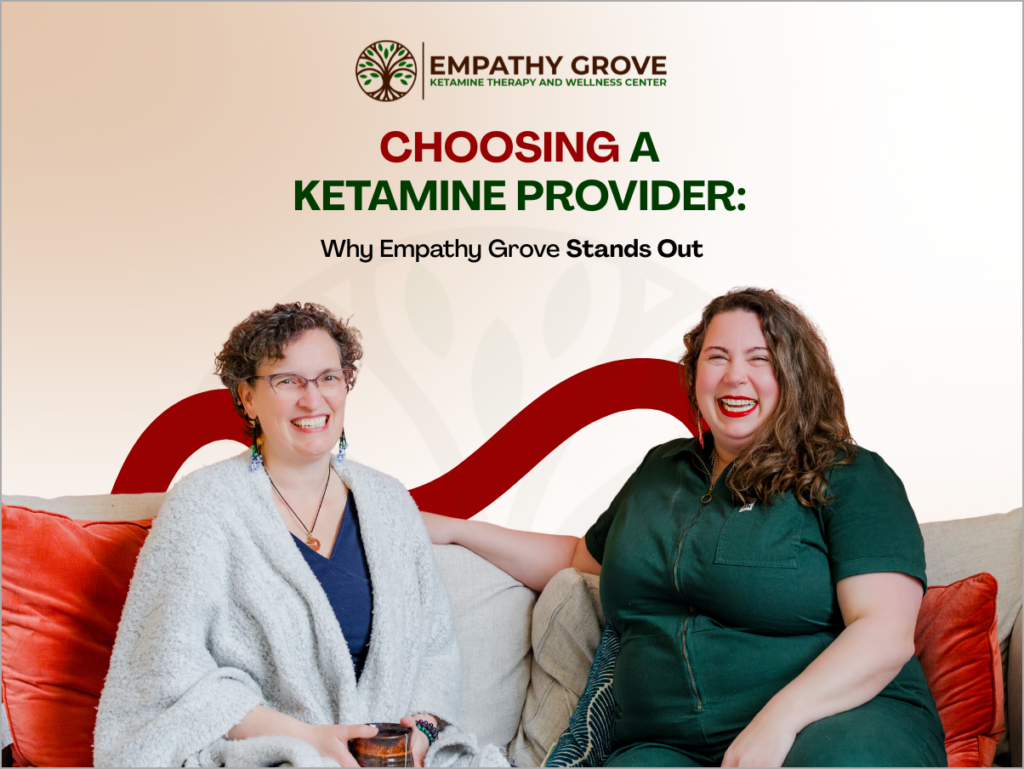
When choosing a ketamine clinic Portland patients can trust should welcome practical questions, especially from neurodivergent clients. Ask:
- Can I preview the room?
- Can sound and lighting be adjusted?
- How do you handle sensory overwhelm?
- Who stays with me during treatment?
- How is integration adapted for different processing styles?
The right clinic will not treat these questions as difficult. They are basic access needs. A good consultation should leave you with more clarity, not more pressure.
What Empathy Grove’s Approach Adds to the Conversation
Empathy Grove’s model fits people who want ketamine care held inside a broader support system. Our services include ketamine-assisted therapy, integrated therapy, naturopathic care, and intuitive healing sessions.
The value here is process-based, not outcome-based. We at Empathy Grove emphasise intention, trained support, integration, and respect for the person’s unique journey. For neurodivergent clients, that kind of care container can matter. It gives more room for consent, pacing, sensory awareness, and meaning-making after the session.
Common Misunderstandings About Ketamine, Autism, and ADHD
A few things deserve clear language:
- Ketamine does not “cure” autism.
- ADHD symptoms may not directly change.
- A difficult session does not mean treatment failed.
- A quiet session can still be meaningful.
- More intensity does not always mean better healing.
- Needing accommodations does not make you a poor candidate.
The goal is not to become a different person. The goal is to reduce suffering and support a life that fits your nervous system better.
Questions to Bring to Your First Consultation
Before starting ketamine-assisted therapy, ask direct questions:
- What symptoms are we treating?
- How will you adapt the session for sensory needs?
- What happens if I become overstimulated?
- Can I communicate preferences before the session?
- What does integration look like for neurodivergent clients?
- How do you support people who need more time to process?
If you are exploring ketamine therapy in Portland, choose care that respects how your nervous system works. Booking a free consultation at Empathy Grove is a practical next step if you want to ask questions, discuss fit, and learn whether their ketamine-assisted therapy approach is right for you.
FAQ’s
1. Can ketamine help with depression and anxiety in neurodivergent individuals?
Yes, ketamine has shown promise in rapidly alleviating depression, anxiety, trauma, and burnout symptoms in some neurodivergent adults.
2. Is ketamine treatment safe for autistic or ADHD individuals?
When administered in a controlled clinical setting, ketamine is generally considered safe, but it’s important to consult with a healthcare professional familiar with neurodivergent nervous systems.
3. Will ketamine “cure” autism or ADHD?
No, ketamine is not a cure for autism or ADHD; it is used to address specific mental health symptoms that often accompany neurodivergence.
4. What should I consider before starting ketamine therapy?
Preparation, personalized treatment planning, and ongoing support are essential to ensure safety and effectiveness, especially for neurodivergent individuals.
5. Are there any common misconceptions about ketamine and neurodivergence?
Yes, a common misconception is that ketamine can change or erase neurodivergent traits; in reality, it aims to improve mental health symptoms without altering core neurodivergent identities.
–
Disclaimer: The content above is for educational purposes only and not a substitute for professional medical advice. Consult a qualified healthcare provider to determine if ketamine therapy is appropriate for you.