During ketamine therapy, you are not simply sitting in a room waiting for medicine to work. You are entering a vulnerable state where sound, lighting, privacy, scent, temperature, and another person’s presence can affect how safe your nervous system feels. That is why the ketamine clinic environment Portland patients choose deserves careful attention.
The room is not merely decoration. It is part of the care experience. A rushed, noisy, or impersonal setting can make it harder to settle. A thoughtful space can support trust, steadiness, and reflection. Keep reading to learn why the environment matters in ketamine-assisted therapy and what to notice before choosing a clinic.
Ketamine Set and Setting: What the Phrase Actually Means
Ketamine set and setting refer to two parts of the treatment experience.
“Set” means your mindset: your emotional state, expectations, fears, intentions, and readiness. “Setting” means the outer environment: the room, privacy, staff presence, sensory cues, and how safe the process feels.
This idea is widely discussed in psychedelic-assisted therapy because medication effects are shaped by more than pharmacology alone. The therapeutic context can influence how people experience and process altered states. Research on ketamine-assisted therapy also emphasizes preparation, support during sessions, and integration afterward.
Why a Safe Ketamine Setting Helps the Nervous System Settle
A safe ketamine setting helps the body stop scanning for danger. That matters because ketamine can make people feel more open, inwardly focused, or sensitive to their surroundings.
If the space feels rushed, cold, or chaotic, a patient might become more vigilant. If the room feels private and steady, the nervous system can have an easier time softening into the experience.
Safety includes more than vital signs. It includes emotional safety, sensory comfort, and medical readiness. Professional guidance for ketamine use also emphasizes monitored settings and qualified clinical oversight, especially for IV or IM ketamine.
The Difference Between a Treatment Room and a Holding Space
A treatment room is where a procedure happens. A holding space is where a person feels supported enough to let their guard down.
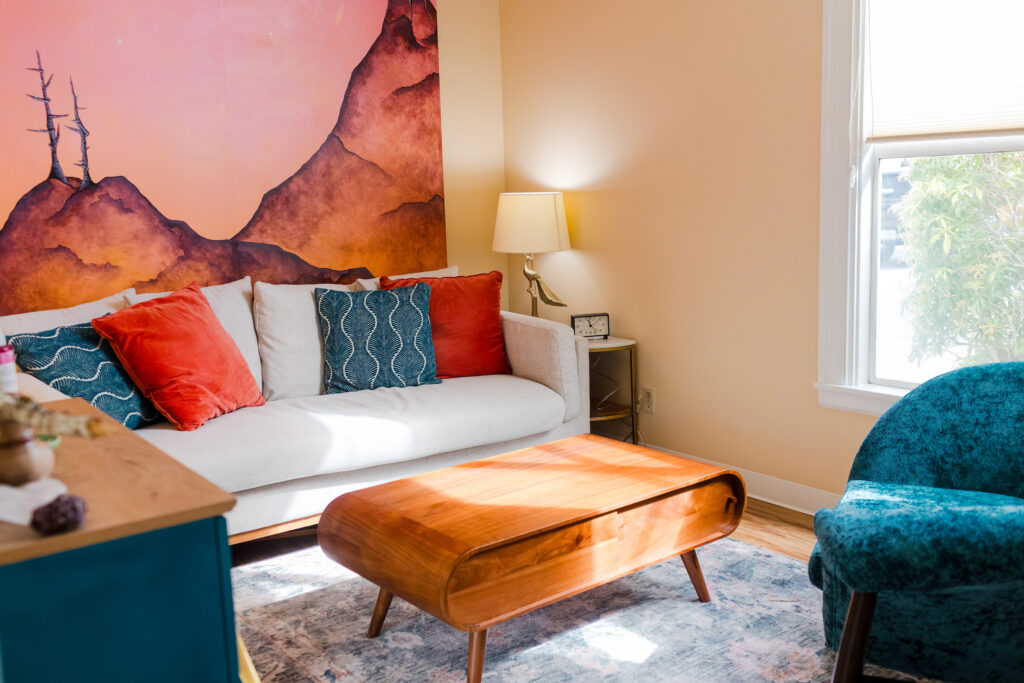
The space requires design choices that reduce threat signals:
- Soft lighting instead of harsh brightness
- Privacy instead of shared exposure
- Comfortable seating or reclining
- Less background noise
- Clear communication before the session
- Staff who remain calm and present
Such details sound simple until you are the person in the chair. In ketamine therapy, small environmental cues can feel amplified. A holding space tells the body, “You are not alone here.” Empathy Grove’s approach to ketamine-assisted therapy emphasizes intentional support, preparation, and integration around the session, which reflects this broader care philosophy.

Ketamine Clinic Environment in Portland: What Patients Should Notice
When comparing a ketamine clinic environment in Portland, price and route of administration should not be the only deciding factors. The space itself gives useful information.
Notice whether the room feels private. Notice whether staff explain the process without rushing. Notice whether you can ask questions before booking. Notice whether the environment feels like it was designed for throughput or for care.
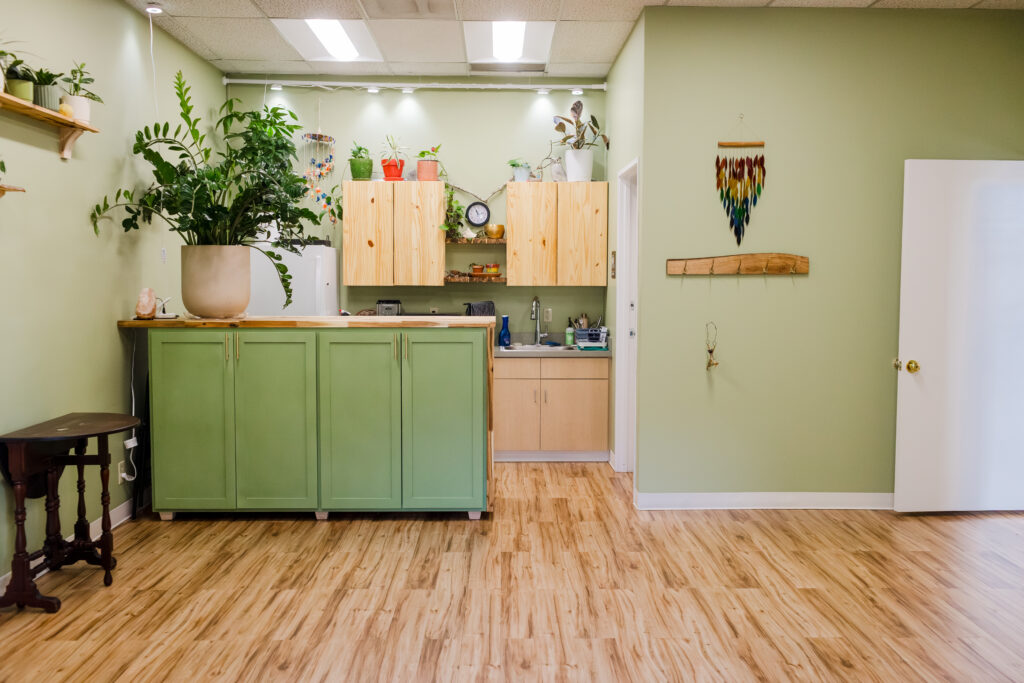
Portland has a growing number of ketamine providers, and clinics can differ widely in staffing, support, and setting. A useful local checklist is not only “How much does it cost?” but “Would I feel safe being vulnerable here?”
Sensory Details Can Shape the Session
Sound, texture, lighting, scent, and temperature can all affect comfort. For some patients, especially those with anxiety, trauma histories, or neurodivergence, sensory details may feel more intense during ketamine therapy.
A blanket may feel grounding. A certain playlist may feel intrusive. A bright room may make it harder to relax. A quiet space may help someone turn inward.
This does not mean every clinic needs to look like a spa. It means sensory choices should be intentional and adjustable. Comfort can support openness, and openness can make therapeutic processing feel less forced.
The Human Environment: Who Is With You Matters
The clinician or sitter is part of the setting. A safe ketamine setting includes a steady person who can monitor, reassure, and help orient you if anxiety or confusion appears.
Such presence matters because ketamine may bring up strong sensations, emotional material, or temporary disorientation. Qualified support during the session can help patients stay grounded and reduce panic. Clinical guidance also stresses the importance of trained professionals, monitoring, and readiness to respond if adverse effects occur.
At Empathy Grove, our ketamine journeys are supported experiences with a compassionate, trained sitter and integration afterward. That human steadiness can be as important as the room itself.
When the Environment Feels Wrong: Red Flags to Watch For
Some clinic environments raise concern quickly. Watch for:
- Rushed intake
- Unclear monitoring process
- Noisy or shared treatment areas
- Staff who dismiss questions
- No preparation or integration plan
- Pressure to purchase packages quickly
- Vague answers about who stays with you
The red flags do not always mean a clinic is unsafe, but they deserve attention. Ketamine therapy involves vulnerability. A clinic should be able to explain its safety process, its environment, and its support model in plain language. If you feel pressured before you feel informed, slow down.
How Empathy Grove Approaches Setting as Part of Care
At Empathy Grove, our model frames ketamine-assisted therapy as more than medication delivery. Their services include ketamine-assisted therapy, individual psychotherapy, naturopathic care, and intuitive healing sessions, all positioned around healing, wholeness, and transformation.
Their ketamine model includes preparation and intention setting, a supported ketamine journey, and integration support afterward. That matters because setting does not end when the medicine wears off. It continues through the way a provider prepares you, stays with you, and helps you make sense of the experience later.
This is process-based care, not a guarantee of outcomes.
Questions to Ask Before Choosing a Ketamine Clinic
Before choosing a clinic, ask direct questions:
- Can I see the treatment space before my first session?
- Will someone stay with me during the experience?
- How do you adjust for anxiety or sensory sensitivity?
- What happens after the session?
- How do you support integration?
- What monitoring is used during treatment?
A good clinic should answer clearly. These questions are not demanding. They help you understand whether the space, staff, and process can support the kind of vulnerability ketamine therapy may bring.
Final Thoughts: Choose the Space That Helps You Feel Held
A ketamine clinic should offer more than access to medicine. It should offer a setting where your nervous system can soften enough to do difficult work. That includes the room, the process, and the people present with you.
When comparing options, trust what you notice. Ask about privacy, monitoring, sensory adjustments, and integration. If Empathy Grove’s approach feels aligned with you, reach out to learn how the team creates a grounded, supportive setting for ketamine-assisted therapy.
FAQs
- What does “set and setting” mean in ketamine therapy?
“Set” refers to your mindset, including your thoughts, emotions, and expectations going into a session. “Setting” is the environment where the treatment happens, including the room, sensory details, and who is with you. Both play a crucial role in shaping the healing experience, and what we emphasize at Empathy Grove.
- Why is a safe ketamine clinic environment important?
A safe, calming environment helps your nervous system relax, increasing comfort and allowing for a deeper, more therapeutic session. Feeling secure is essential for positive outcomes.
- How does Empathy Grove’s Sanctuary approach differ from regular treatment rooms?
Instead of a clinical treatment room, our Sanctuary-style clinics offer “holding spaces” designed to feel nurturing and supportive, with attention to sensory details like lighting, sound, and comfort.
- What sensory details should I notice in an ideal ketamine clinic?
Look for gentle lighting, comfortable seating or beds, quiet surroundings, soothing sounds, and personalized touches that make you feel at ease and cared for.
- Who will be with me during my Empathy Grove ketamine sessions, and why does it matter?
The presence of compassionate, knowledgeable staff shapes your experience. Having someone empathetic and experienced increases emotional safety and supports positive healing outcomes.
—
Disclaimer: The content above is for educational purposes only and not a substitute for professional medical advice. Consult a qualified healthcare provider to determine if ketamine therapy is appropriate for you.